
Cracked Tooth Symptoms: What to Watch For
A cracked tooth does not always cause visible damage — the fracture may be too small to see on an X-ray or during a standard examination. Symptoms are often intermittent, which makes cracked teeth easy to overlook or delay care for.
If you have pain when biting, sensitivity that comes and goes, or pain in a tooth that is hard to locate, contact a dental office for an assessment. A crack does not heal on its own and may worsen over time without treatment.
We Prioritise Dental Emergencies.
Call us to describe your symptoms and we will work to see you as soon as possible.
 Emergency appointments availableBite testing and clinical assessmentTreatment options explained upfront
Cracked, Chipped, or Broken: What Is the Difference?
These terms describe different types of tooth damage with different symptoms, visibility, and urgency. Understanding which applies helps you seek the right care.
Cracked Tooth
- The tooth appears intact but has a fracture line through the enamel or deeper
- The crack may not be visible and often does not show on a standard X-ray
- Symptoms are typically intermittent — pain when biting, releasing pressure, or with temperature changes
- Can be difficult to locate and diagnose even with examination
- Urgent care is needed if symptoms are persistent, worsening, or accompanied by swelling
Chipped Tooth
- A small piece of enamel is visibly missing from the tooth
- The damage is visible, though the chip may be minor
- Pain is not always present if the chip is small and has not exposed dentin
- A sharp edge may be felt with the tongue even if discomfort is mild
- Call a dentist if the chip is large, painful, or involves a rough or sharp edge
Broken Tooth
- A larger section of the tooth has fractured off — the damage is usually obvious
- More likely to cause immediate significant pain than a chip or crack
- May expose the inner dentin or pulp, causing sensitivity
- A fragment may or may not be recovered
- Same-day dental care is typically needed
Common Symptoms of a Cracked Tooth
Cracked tooth symptoms are often inconsistent, which can delay diagnosis. These are the most common signs that a tooth may be cracked.
Pain When Chewing
A sharp or noticeable pain when biting down on food, often specific to one tooth or bite angle.
Pain When Releasing Bite
Pain that occurs when releasing bite pressure rather than applying it. This rebound sensation is a distinctive sign of a cracked tooth.
Hot or Cold Sensitivity
Sensitivity to temperature that lingers briefly after the source is removed may indicate the crack is near the pulp.
Intermittent Pain
Cracked tooth pain is difficult to reproduce consistently. It may only occur with certain foods, temperatures, or biting positions.
Pain That Is Hard to Locate
Referred pain that is difficult to attribute to one specific tooth. Patients often describe uncertainty about which tooth is the source.
Common Causes and Risk Factors
Cracks can result from a single event or from stress that builds up over time. Most causes fall into one of these three groups.
Bite Pressure and Teeth Grinding
- Persistent grinding or clenching applies repeated mechanical stress to tooth structure
- High bite forces in the back teeth can gradually weaken enamel over time
- An uneven bite that concentrates force on specific teeth
Weakened Tooth Structure
- Large fillings leave less natural tooth structure to absorb bite forces
- Teeth that have been previously cracked, treated, or traumatised may be more vulnerable
- Enamel can become more brittle with age, increasing the risk of fracture
Trauma, Hard Foods, and Habits
- Biting on ice, hard sweets, popcorn kernels, or similar hard items
- A direct blow or impact from a fall, sport, or accident
- Using teeth to open packaging or applying force to non-food items
When to Call a Dentist and When to Go to the ER
Most cracked tooth symptoms need a dentist, not an ER. A dental office has the specific tools needed to assess a cracked tooth, including bite testing.
Call the Dentist Today
- Intermittent pain when biting or releasing bite pressure
- Temperature sensitivity that comes and goes
- Pain in a tooth that is hard to locate
- Swelling or tenderness around a specific tooth
- Symptoms present for several days without improving
Go to the Emergency Room Now
- Uncontrolled pain not responding to any relief
- Significant or rapidly spreading facial swelling
- Fever alongside tooth pain
- Difficulty breathing or swallowing
- Swelling spreading to the neck, jaw, or eye area
Do not wait for a dental appointment. Call 911 or go directly to a hospital emergency room.
If you are unsure whether your symptoms require the ER, call a dental office first. Staff can help assess urgency and direct you appropriately.
How a Cracked Tooth Is Diagnosed
Diagnosing a cracked tooth typically requires several methods together, since no single test reliably identifies every crack.
Symptom and Bite Review
Your dentist asks when pain occurs, what triggers it, and how long symptoms have been present. Intermittent or position-specific pain patterns help point to the likely tooth.
Clinical Examination and Bite Testing
Each tooth is examined and a bite test with a small instrument helps confirm the specific tooth and crack location. Transillumination with a dental light can sometimes reveal fracture lines not visible otherwise.
Imaging and Treatment Planning
Dental X-rays assess the root, bone, and pulp and help rule out other causes. Based on all findings, your dentist outlines the treatment options and next steps.
- 1
Symptom and Bite Review
Your dentist asks when pain occurs, what triggers it, and how long symptoms have been present. Intermittent or position-specific pain patterns help point to the likely tooth.
- 2
Clinical Examination and Bite Testing
Each tooth is examined and a bite test with a small instrument helps confirm the specific tooth and crack location. Transillumination with a dental light can sometimes reveal fracture lines not visible otherwise.
- 3
Imaging and Treatment Planning
Dental X-rays assess the root, bone, and pulp and help rule out other causes. Based on all findings, your dentist outlines the treatment options and next steps.
Cracks often do not appear clearly on standard X-rays. Diagnosis may rely primarily on symptom patterns and clinical testing, and in some cases more than one appointment is needed to confirm the source.
Treatment Based on Crack Depth and Location
Treatment depends on how far the crack extends, whether the nerve is involved, and whether enough tooth structure remains. Not all cracks require the same intervention.
Monitoring Minor Enamel Lines
Very superficial cracks that do not extend into the dentin or affect function may not require immediate treatment. Your dentist will note them and monitor at future visits.
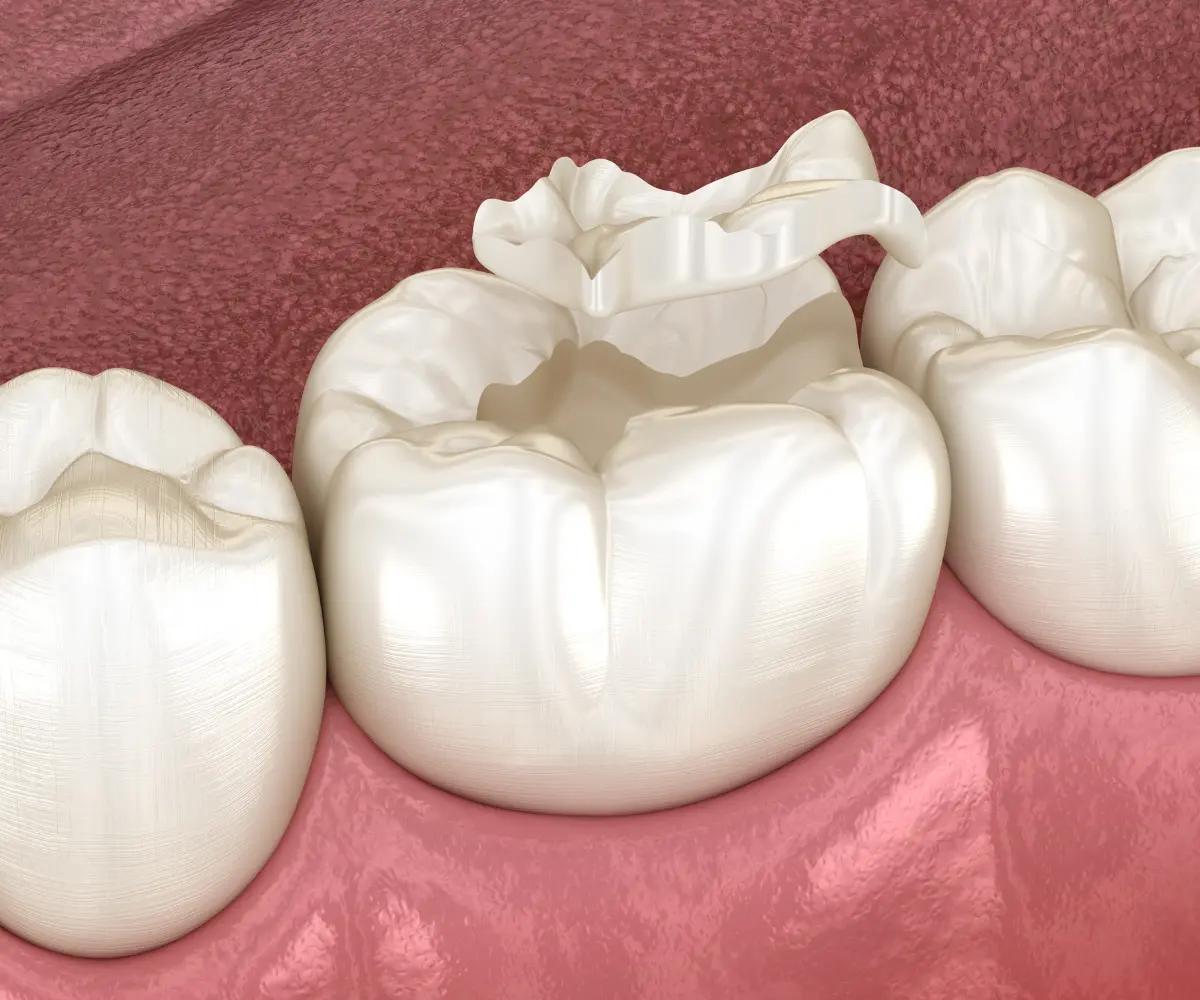
Dental Crown
When the crack involves the dentin but has not reached the pulp, a crown protects the tooth from further splitting and can resolve bite-related pain.
Root Canal Treatment and Crown
When the crack has reached the pulp or caused pulp inflammation, root canal treatment removes the affected tissue. A crown is placed afterward to protect the tooth.
Extraction When the Tooth Cannot Be Restored
A crack that extends below the gumline or through the root may not be restorable. Extraction removes the source of pain, and replacement options can be discussed after healing.
A Crack Does Not Heal — and Safe Steps While Waiting
Understanding why prompt care matters, and what to do in the meantime, helps protect the tooth until you are seen.
A Cracked Tooth Does Not Heal Itself
Unlike a broken bone, tooth structure cannot repair a fracture. Without treatment, the crack may extend further — eventually reaching the pulp, spreading below the gumline, or causing a more complex break that is harder to restore. Early care tends to preserve more treatment options.
Steps to Reduce Further Damage While Waiting
Avoid chewing on the affected side. Avoid very hot, cold, hard, or crunchy foods that may worsen the crack or trigger pain. If discomfort is significant, over-the-counter pain relief taken as directed on the label may help. Contact a dental office to arrange an appointment rather than waiting to see if symptoms resolve on their own.
Why Choose Silver State Smiles for a Cracked Tooth?
Cracked teeth require careful diagnosis. Here is how we approach suspected cracked tooth appointments.
Clinical Assessment Including Bite Testing
We use bite testing and transillumination alongside standard examination to help identify cracks that are not visible or do not appear on X-rays.
Diagnosis Before Any Procedure
We confirm what the crack involves and outline the options before recommending any treatment. You understand the findings before anything begins.
Treatment Options Explained Clearly
We explain what each treatment path involves and what is realistic for your specific tooth — including monitoring, crowning, or more involved care.
Multiple Las Vegas Locations
Several offices across the valley mean you can access same-day assessment close to home.
Insurance Verification Available
We can check your insurance benefits before treatment begins so you have a clear picture of expected costs.

Opiniones de Pacientes
Confiado por Pacientes en Cada Rincón de Nevada
Escuche lo que nuestros pacientes dicen sobre su experiencia en Silver State Smiles. Estamos orgullosos de proporcionar atención excepcional que transforma sonrisas y vidas.

Excelencia Galardonada
Reconocido como el Mejor de Las Vegas 2025
Nos sentimos honrados de ser reconocidos como Ganadores de Oro por el Las Vegas Review-Journal. Este prestigioso premio refleja nuestro compromiso de proporcionar atención dental excepcional y experiencias destacadas para los pacientes.
Confiado por miles de pacientes
Emergency Dental Guides
Toothache Emergency Dentist
When tooth pain needs urgent care and what to do next.
Read guideBroken Tooth Treatment
What to do when a tooth breaks and whether it can be repaired.
Read guideLost Crown Emergency
Steps to take when a crown falls off before you can see a dentist.
Read guideKnocked Out Tooth
Time-sensitive steps to take if a tooth is completely knocked out.
Read guideSwollen Gums Around One Tooth
What swelling around a single tooth can mean and when to call a dentist.
Read guideChipped Tooth Emergency
How a chipped tooth is treated and when it needs same-day care.
Read guideDental Abscess Emergency
Recognising a dental abscess and why it requires prompt treatment.
Read guideEmergency Dentist in Las Vegas
How to reach emergency dental care in Las Vegas quickly.
Read guideWatch & Learn
Short videos from our team on dental implants, smile makeovers, and what to expect.
How to Stop Hiding Your Smile: Mirror Anxiety to Morning Confidence with Implants
How Traveling to Las Vegas for a Dental Implant Smile Makeover Is Possible
How to Upgrade Your Smile: Replacing Failing Veneers With Lifetime Zirconia Crowns
Call Now for Emergency Dental Care
Describe your symptoms when you call. Our team will help assess the urgency and schedule you as soon as possible. Appointment times are requests that must be confirmed by the office.
Ya sea su primera visita o la quincuagésima, haremos que se sienta fácil.
Preguntas Frecuentes
¿No encuentra la respuesta que busca? Contacte a nuestro equipo amable al (702) 780-0232ocontáctenos.