
Dental Implant Recovery: Timeline and What to Expect
Dental implant recovery involves two distinct phases. The initial healing phase covers the first few weeks, when the surgical sites close and most discomfort resolves. Osseointegration — the process by which the titanium post bonds with the jawbone — continues for several months afterward. Both phases matter for long-term implant success. Most patients return to normal daily activities within a few days of surgery, though complete integration takes significantly longer.
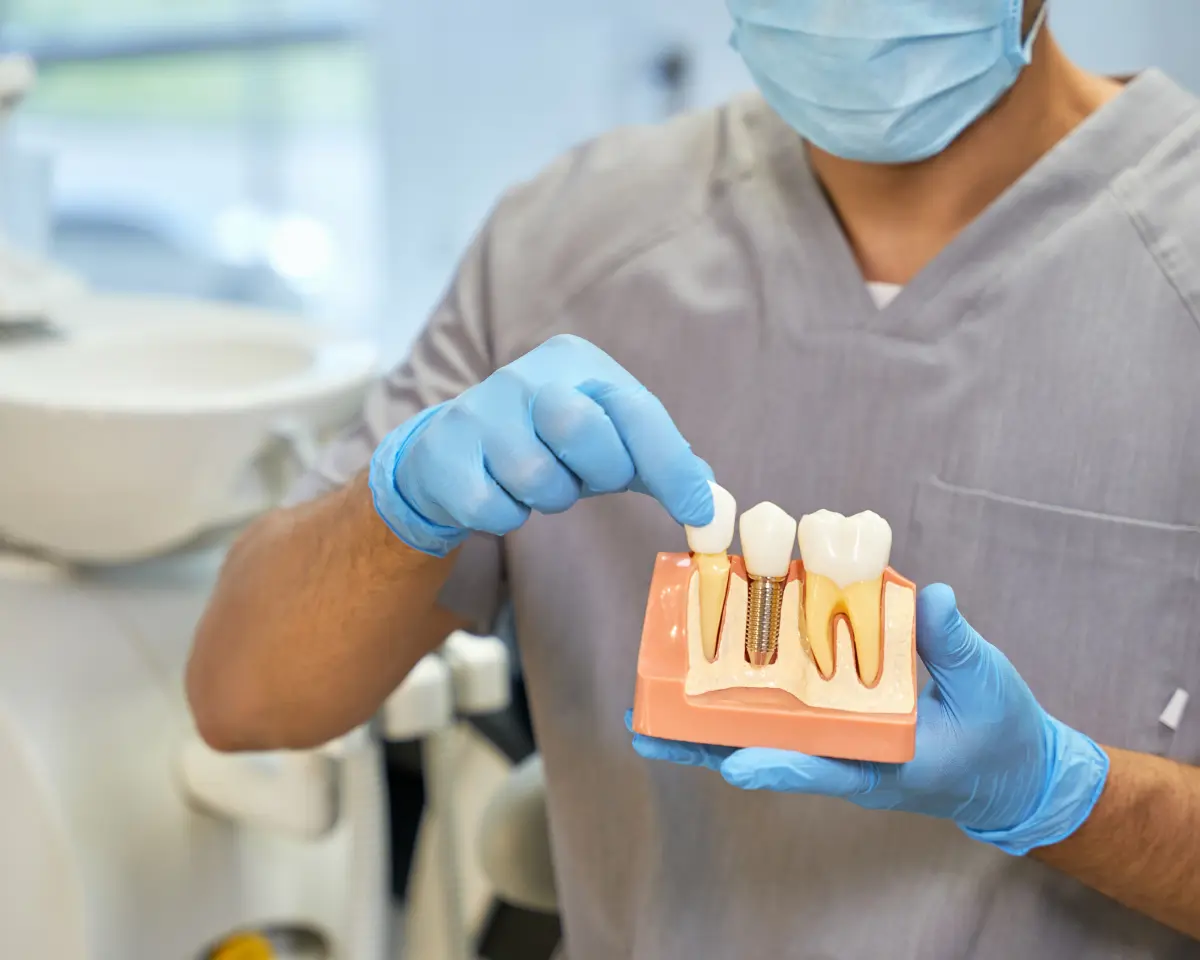
Support Through Every Stage of Recovery.
We provide post-operative guidance and are available for questions throughout the healing process.
 Follow-up appointments includedDietary and care guidance providedContact us with any concerns
Recovery Timeline
Recovery progresses in predictable stages. Times below reflect general expectations — individual healing varies based on health, procedure complexity, and how many implants were placed.
First 24 Hours
Rest and minimal activity. Swelling, tenderness, and minor bleeding at the surgical sites are expected. Begin the soft or liquid diet and follow any pain relief and antibiotic instructions.
Days 2 to 7
Swelling typically peaks around days 2 to 3 then gradually subsides. Continue soft foods. Most discomfort can be managed with prescribed or over-the-counter medication.
Weeks 2 to 4
Surgical sites continue to close. Most patients feel largely back to normal. Dietary restrictions ease gradually. Follow-up appointments monitor early healing.
Months 2 to 6
Osseointegration is underway. The implant post is bonding with the jawbone during this period. No significant symptoms are expected. Regular check-in appointments monitor progress.
Final Restoration
Once imaging confirms full integration, the permanent crown or restoration is placed. For same-day cases, the temporary teeth are replaced with the final restoration at this stage.
- 1
First 24 Hours
Rest and minimal activity. Swelling, tenderness, and minor bleeding at the surgical sites are expected. Begin the soft or liquid diet and follow any pain relief and antibiotic instructions.
- 2
Days 2 to 7
Swelling typically peaks around days 2 to 3 then gradually subsides. Continue soft foods. Most discomfort can be managed with prescribed or over-the-counter medication.
- 3
Weeks 2 to 4
Surgical sites continue to close. Most patients feel largely back to normal. Dietary restrictions ease gradually. Follow-up appointments monitor early healing.
- 4
Months 2 to 6
Osseointegration is underway. The implant post is bonding with the jawbone during this period. No significant symptoms are expected. Regular check-in appointments monitor progress.
- 5
Final Restoration
Once imaging confirms full integration, the permanent crown or restoration is placed. For same-day cases, the temporary teeth are replaced with the final restoration at this stage.
Single Implant vs Multiple or Full-Arch Recovery
The extent of the procedure directly affects how involved the recovery is.
Single Implant Recovery
- Initial discomfort is typically localized to one surgical site
- Most patients with desk jobs return to work within a day or two
- Dietary restrictions apply primarily near the implant site
- Follow-up monitoring is straightforward at a single location
- Shorter initial healing period before the site stabilizes
Multiple or Full-Arch Recovery
- More extensive surgery means more widespread initial swelling and tenderness
- Rest and dietary restrictions are more important during the first week
- Temporary teeth are worn throughout the full healing period
- More follow-up appointments may be needed to monitor all sites
- Soft-food phase before the final restoration may be longer
Factors That Affect Healing Time
Several variables influence how quickly osseointegration completes and how comfortable the initial recovery is.
Bone Health and Density
The quality and volume of bone at the implant site affects how quickly and completely the post integrates. Grafted bone may take longer to mature than native bone.
Overall Health
Conditions such as uncontrolled diabetes or autoimmune disorders, and medications that affect healing or bone metabolism, can slow integration. Your provider will review your health history before treatment.
Tobacco Use
Smoking impairs blood flow and immune response, which can slow healing and increase complication risk. Patients are typically advised to avoid tobacco during the healing period.
Oral Hygiene
Following prescribed cleaning routines protects the healing sites. Poor hygiene increases the risk of peri-implant infection, which can disrupt integration.
Implant Location
Upper jaw implants and sites with lower bone density may integrate more slowly than lower jaw implants in denser bone.
Number of Implants
Full-arch cases involve a more extensive surgical procedure than single-tooth replacements, which typically results in a longer and more involved initial recovery.
Daily Life During Recovery
Work, activity, and diet all need some adjustment during healing. Here is what to expect across each area.
Returning to Work
Most patients with office-based or sedentary roles can typically return within one to three days. Jobs involving heavy lifting or physical labor may require a longer break. Discuss your work requirements with your provider before the procedure.
Light Activity and Exercise
Gentle walking can usually resume within the first day or two. Strenuous exercise, gym workouts, and contact sports should be avoided until your provider confirms the site is stable, as physical exertion increases blood pressure and can disrupt early healing.
Immediately After Surgery
A soft or liquid diet is required for the first day or two. Cold foods such as smoothies, yogurt, and cold soup are gentle and may help reduce swelling. Avoid hot beverages, hard foods, and alcohol.
Weeks 1 to 4
Soft solid foods such as eggs, pasta, fish, and cooked vegetables can typically be introduced as comfort allows. Chew on the opposite side from implant sites where possible.
Foods to Avoid
Hard, crunchy, sticky, or chewy foods can dislodge forming clots, stress healing implants, or damage temporary restorations. Avoid these until your provider confirms the sites have healed sufficiently.
Normal Symptoms vs Warning Signs
Some discomfort after implant surgery is expected. Knowing what is normal helps you recover with confidence and recognize when to reach out.
Normal During Healing
- Mild to moderate swelling for the first 3 to 5 days
- Tenderness or aching at and around the implant site
- Minor bleeding or blood-tinged saliva on surgery day
- Slight sensitivity to temperature near the site
- Bruising around the jaw, cheek, or chin
- Some difficulty eating comfortably for the first week
Contact Your Provider When
- Swelling that increases after day 3 rather than improving
- Severe or worsening pain not controlled by medication
- Heavy or persistent bleeding that does not resolve
- Fever, chills, or signs of systemic infection
- The implant or temporary crown feels loose or shifts
- Pus, bad taste, or visible discharge at the surgical site
If you are uncertain whether a symptom is normal, contact your provider. Early attention to any concern helps protect the long-term outcome of your implants.
Why Choose Silver State Smiles?
Our team supports patients through every phase of implant treatment, from pre-surgical planning through post-operative care and the final restoration.
Structured Follow-Up Care
Follow-up appointments are scheduled to monitor healing at each stage — from initial site closure through osseointegration confirmation.
3D Imaging for Precision Planning
Cone beam CT scans guide placement planning and are used to confirm integration before the permanent restoration is placed.
Multiple Las Vegas Locations
Several offices across the valley mean post-operative visits and concerns can be addressed close to home.
Benefits Verification Before You Commit
We request insurance verification before treatment begins so you have a clear estimate of your out-of-pocket cost.
Flexible Financing Available
In-house and third-party financing options let you spread the cost over monthly installments.
Opiniones de Pacientes
Confiado por Pacientes en Cada Rincón de Nevada
Escuche lo que nuestros pacientes dicen sobre su experiencia en Silver State Smiles. Estamos orgullosos de proporcionar atención excepcional que transforma sonrisas y vidas.

Excelencia Galardonada
Reconocido como el Mejor de Las Vegas 2025
Nos sentimos honrados de ser reconocidos como Ganadores de Oro por el Las Vegas Review-Journal. Este prestigioso premio refleja nuestro compromiso de proporcionar atención dental excepcional y experiencias destacadas para los pacientes.
Confiado por miles de pacientes
Dental Implant Guides
Dental Implant Cost in Las Vegas
Transparent pricing, cost factors, and financing options.
Read guideSame-Day Dental Implants Explained
How immediate-load implants work and what recovery involves.
Read guideAre You a Candidate for Dental Implants?
Health criteria, age factors, and disqualifying conditions.
Read guideDental Implants With Bone Loss
Options when there isn't enough bone for a standard implant.
Read guideHow Long Do Dental Implants Last?
Success rates, failure causes, and maintenance tips.
Read guideImplant vs. Bridge: Which Is Right for You?
Side-by-side comparison of cost, lifespan, and procedure.
Read guideDental Implants vs Dentures
Compare traditional dentures, implant-supported options, and fixed arches.
Read guideAre Dental Implants Worth It?
Long-term value, longevity data, and patient outcomes.
Read guideWatch & Learn
Short videos from our team on dental implants, smile makeovers, and what to expect.
How to Stop Hiding Your Smile: Mirror Anxiety to Morning Confidence with Implants
How Traveling to Las Vegas for a Dental Implant Smile Makeover Is Possible
How to Upgrade Your Smile: Replacing Failing Veneers With Lifetime Zirconia Crowns
Request an Implant Appointment
Our team will walk you through the full treatment and recovery process before any procedure begins.
Ya sea su primera visita o la quincuagésima, haremos que se sienta fácil.
Preguntas Frecuentes
¿No encuentra la respuesta que busca? Contacte a nuestro equipo amable al (702) 780-0232ocontáctenos.