
How Long Do Dental Implants Last?
How long dental implants last depends on which part of the implant you are asking about. The titanium post that integrates with the jawbone is designed for long-term use and tends to be the most stable component. The crown, bridge, or full-arch prosthetic placed on top is subject to wear over time and may eventually need to be replaced.
There is no universal lifespan figure that applies to every patient or every case. Outcomes vary based on oral hygiene, general health, bone quality, habits such as smoking or teeth grinding, and how consistently professional monitoring is maintained.
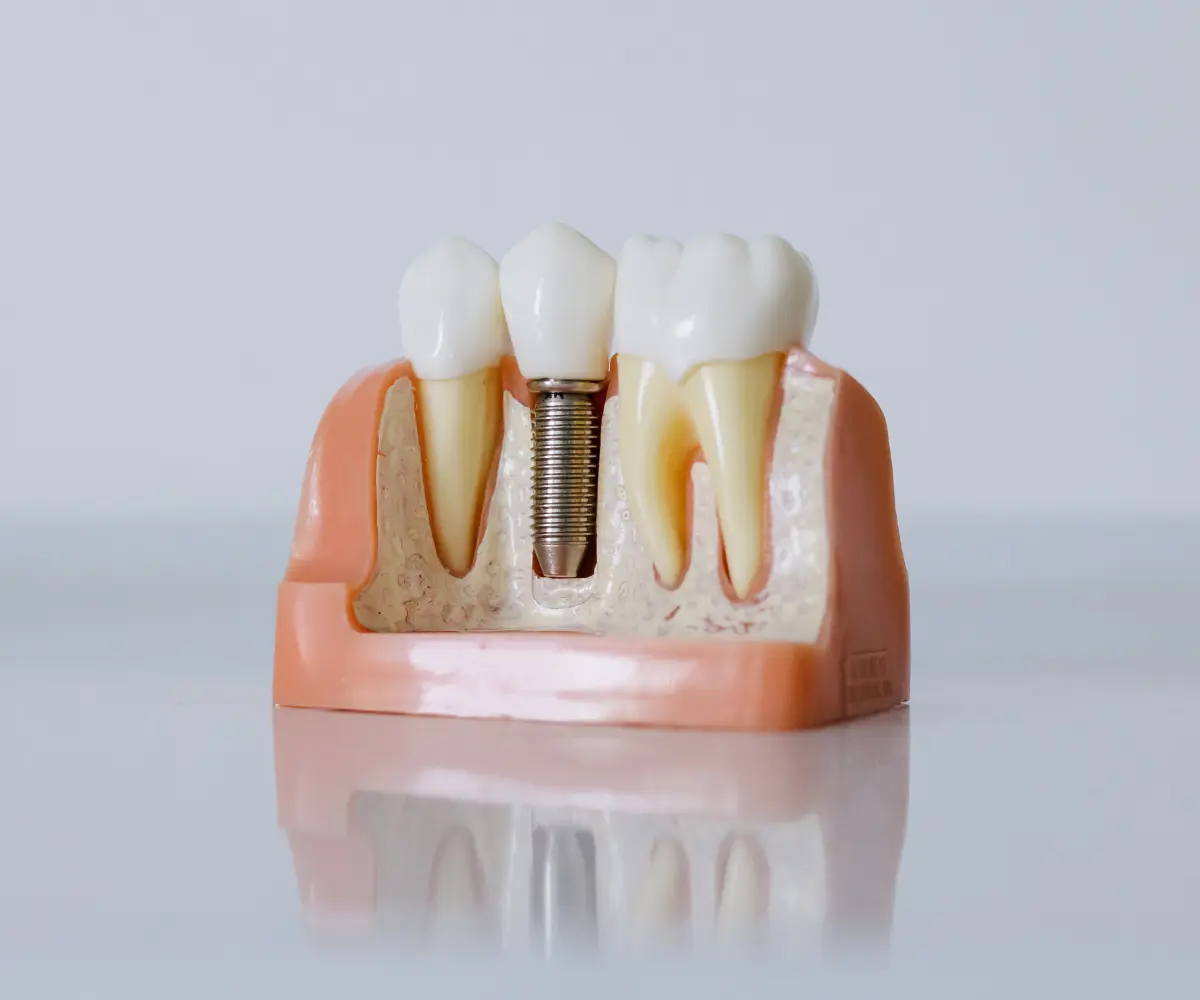
Long-Term Support. Not Just Initial Treatment.
We monitor implant health at every follow-up and flag concerns early.
 Follow-up appointments includedRestoration monitored over timeContact us with any concerns
Three Components, Three Different Durability Profiles
A dental implant is a system of three connected parts. Each ages differently and may require different types of attention over time.
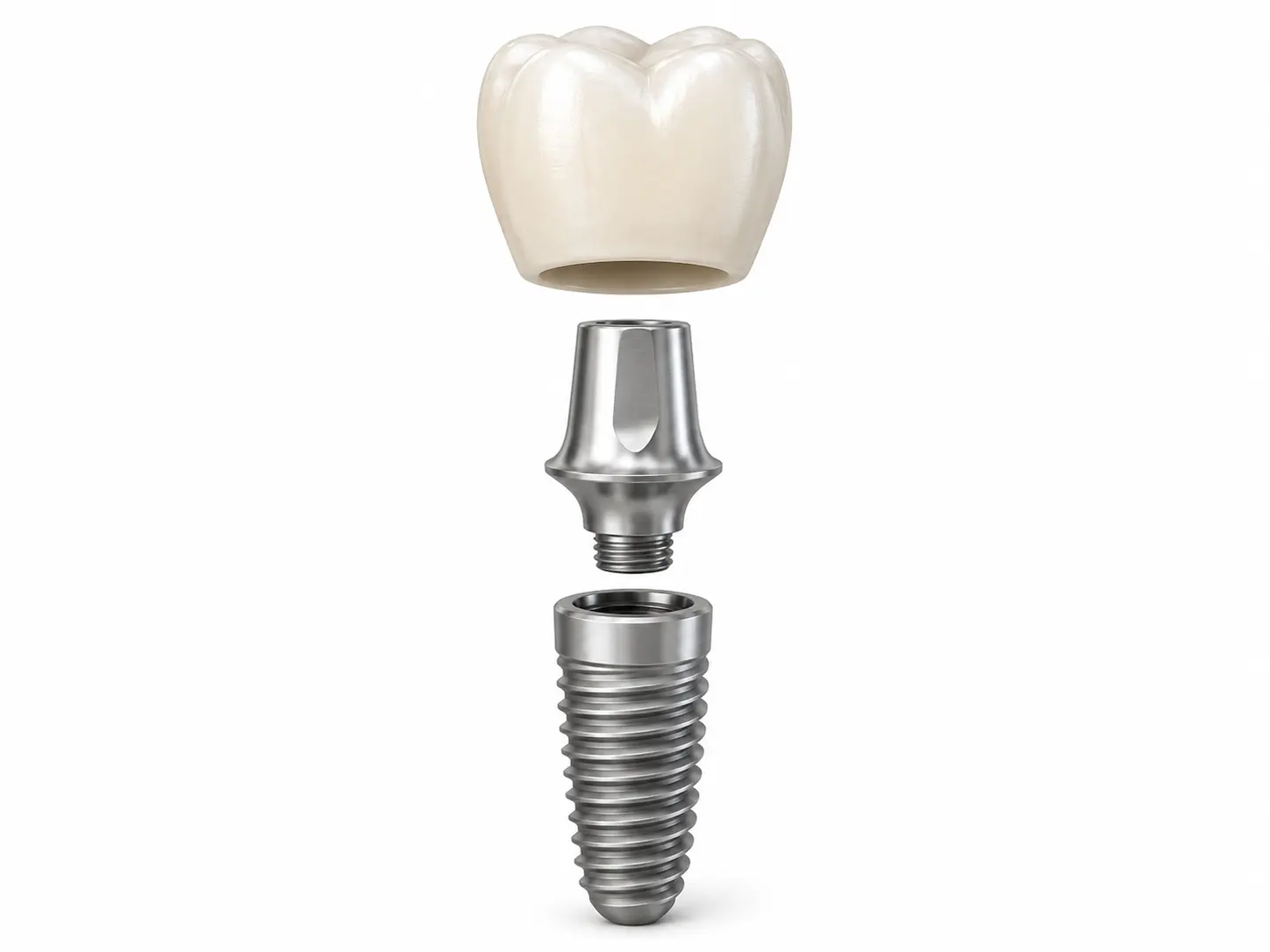
Implant Fixture
The titanium post placed in the jawbone. Once osseointegration is confirmed, the fixture tends to be the most stable component and often remains in place without requiring replacement. Bone loss or peri-implant disease can affect its long-term stability.
Abutment
The connector between the fixture and the visible restoration. Subject to mechanical stress over years of use, the abutment occasionally requires tightening or replacement — a straightforward procedure that does not necessarily mean the implant itself has failed.
Crown or Restoration
The visible prosthetic tooth placed on the implant. Subject to normal wear from chewing and daily use, the crown or bridge may need replacing over time. Replacement of the restoration does not mean the fixture has failed.
Factors That Influence How Long Implants Last
These are the variables most consistently associated with implant longevity. None operate in isolation — together they shape the environment the implant exists in over years and decades.
Oral Hygiene
Consistent brushing and flossing around the implant site reduces the risk of bacterial buildup. Plaque accumulation at the gumline can lead to peri-implant mucositis and, if left untreated, peri-implantitis, which is a significant cause of late implant complications.
Gum and Peri-Implant Health
The tissue and bone surrounding the implant require ongoing monitoring. Peri-implantitis is an inflammatory condition that causes progressive bone loss around the post. Early identification and professional treatment significantly affect the outcome compared to cases where the condition is detected late.
Smoking and Tobacco Use
Smoking is consistently associated with poorer implant outcomes across the research literature. It impairs healing, reduces blood supply to gum tissue, and increases the risk of peri-implant infection. Patients who smoke face a higher likelihood of complications at every stage of the implant process.
Diabetes and Systemic Health
Uncontrolled diabetes affects healing, immune response, and bone metabolism in ways that influence both early integration and long-term stability. Patients with well-managed diabetes typically have better outcomes than those with poorly controlled blood sugar. Other systemic conditions and medications can also affect how an implant performs over time.
Bite Forces and Teeth Grinding
Excessive or uneven force on an implant accelerates wear on the restoration and places mechanical stress on the bone and implant structure. Patients who grind their teeth — a condition called bruxism — or who have significant bite imbalances may need protective measures such as a night guard to reduce long-term mechanical stress.
Implant Location and Treatment Design
Implants in high-force areas such as the posterior molars are subject to greater mechanical stress than those in lower-force regions. Full-arch restorations and multi-implant cases involve additional complexity in how forces are distributed across the system, which affects component wear over time.
Regular Professional Care
Routine professional appointments allow your provider to monitor bone levels, tissue health, restoration condition, and implant stability. Early identification of any issue is consistently more manageable than late-stage intervention. Gaps in professional monitoring allow problems to develop undetected.
Long-Term Implant Maintenance
Implants are not maintenance-free. These four areas of ongoing care support the conditions under which implants tend to perform best.
Daily Cleaning
Brush around the implant crown twice daily with a soft-bristled brush. Use implant-specific floss, an interdental brush, or a water flosser to clean below the gumline and between the crown and adjacent teeth.
Symptom Awareness
Report any new pain, swelling, bleeding, or changes in how the crown feels when biting. Early attention to developing symptoms is consistently more effective than waiting for a scheduled appointment.
Professional Monitoring
Attend all recommended professional appointments so your provider can assess bone levels, tissue health, and restoration condition. The frequency of visits depends on individual risk factors and is determined by your provider.
Protective Measures
If you grind your teeth or have been advised to wear a night guard, consistent use reduces mechanical stress on the implant and restoration. Disclose any changes in health status or medications, as these can affect implant monitoring and management.
- 1
Daily Cleaning
Brush around the implant crown twice daily with a soft-bristled brush. Use implant-specific floss, an interdental brush, or a water flosser to clean below the gumline and between the crown and adjacent teeth.
- 2
Symptom Awareness
Report any new pain, swelling, bleeding, or changes in how the crown feels when biting. Early attention to developing symptoms is consistently more effective than waiting for a scheduled appointment.
- 3
Professional Monitoring
Attend all recommended professional appointments so your provider can assess bone levels, tissue health, and restoration condition. The frequency of visits depends on individual risk factors and is determined by your provider.
- 4
Protective Measures
If you grind your teeth or have been advised to wear a night guard, consistent use reduces mechanical stress on the implant and restoration. Disclose any changes in health status or medications, as these can affect implant monitoring and management.
No maintenance routine eliminates risk entirely. These steps reduce the likelihood of complications and support early identification when issues do develop.
Signs an Implant or Restoration May Need Attention
Not all of these signs indicate implant failure — some relate to the restoration or surrounding tissue rather than the post itself. All warrant professional assessment rather than a wait-and-see approach.
Pain or Tenderness That Returns
Discomfort that develops after initial healing has resolved, or returns unexpectedly, may indicate peri-implant disease or a mechanical issue.
Swelling or Redness Around the Implant
Persistently inflamed or red gum tissue at the implant site can be an early sign of peri-implant mucositis or peri-implantitis.
Bleeding at the Implant Site
Bleeding during brushing or flossing around the implant — especially if new or persistent — should be discussed with your provider.
A Loose or Shifting Crown
Movement of the crown or visible changes in its fit are often related to the abutment or restoration rather than the post, but prompt attention prevents further mechanical damage.
Changes in Bite or Chewing Comfort
Feeling that the bite has shifted or that chewing feels different on the implant side may indicate restoration wear or changes in the surrounding bone.
Movement of the Implant Post Itself
Mobility in the post is a more serious sign than crown looseness and requires immediate professional review. It indicates a problem with osseointegration or bone support.
Survival and Success: Two Different Measures
When reading about implant outcomes, it helps to understand the difference between the two terms most commonly used in research and clinical discussion.
Implant Survival
An implant is typically considered surviving as long as the post remains in the jawbone and is functional, even if the surrounding tissue shows signs of disease or the restoration has been replaced. Survival is the most commonly cited metric in clinical studies but sets a relatively low threshold for what counts as a successful outcome.
Implant Success
Success criteria are more demanding and typically include the absence of pain, absence of infection, minimal bone loss, and stable function over time. An implant can be surviving but not meeting success criteria if ongoing peri-implant disease is present. Asking your provider about success criteria, not just survival, gives a more meaningful picture of expected outcomes.
Why Choose Silver State Smiles?
Long-term implant health depends as much on what happens after placement as on the procedure itself. We support patients through every phase.
Long-Term Monitoring as Standard Practice
Follow-up appointments are built into the treatment plan. We assess bone levels, tissue health, and restoration condition at each visit rather than waiting for patients to report problems.
3D Imaging for Bone Assessment
Cone beam CT scans provide a detailed view of bone around the implant, enabling early detection of changes that may not yet be causing symptoms.
Multiple Las Vegas Locations
Several offices across the valley mean ongoing monitoring appointments can be attended close to home.
Insurance Verification Before You Commit
We request benefits verification before treatment begins so you have a clear estimate of your out-of-pocket cost for placement and any future maintenance.
Flexible Financing Available
In-house and third-party financing options let you spread the cost of treatment over monthly installments.
Opiniones de Pacientes
Confiado por Pacientes en Cada Rincón de Nevada
Escuche lo que nuestros pacientes dicen sobre su experiencia en Silver State Smiles. Estamos orgullosos de proporcionar atención excepcional que transforma sonrisas y vidas.

Excelencia Galardonada
Reconocido como el Mejor de Las Vegas 2025
Nos sentimos honrados de ser reconocidos como Ganadores de Oro por el Las Vegas Review-Journal. Este prestigioso premio refleja nuestro compromiso de proporcionar atención dental excepcional y experiencias destacadas para los pacientes.
Confiado por miles de pacientes
Dental Implant Guides
Dental Implant Cost in Las Vegas
Transparent pricing, cost factors, and financing options.
Read guideAre Dental Implants Worth It?
Benefits, cost vs long-term value, and who benefits most.
Read guideAre You a Candidate for Dental Implants?
Health criteria, age factors, and disqualifying conditions.
Read guideDental Implants With Bone Loss
Options when there isn't enough bone for a standard implant.
Read guideDental Implant Recovery: What to Expect
Week-by-week recovery stages and what to watch for.
Read guideImplant vs. Bridge: Which Is Right for You?
Side-by-side comparison of cost, lifespan, and procedure.
Read guideDental Implants vs Dentures
Compare traditional dentures, implant-supported options, and fixed arches.
Read guideSame-Day Dental Implants Explained
How immediate-load implants work and who qualifies.
Read guideWatch & Learn
Short videos from our team on dental implants, smile makeovers, and what to expect.
How to Stop Hiding Your Smile: Mirror Anxiety to Morning Confidence with Implants
How Traveling to Las Vegas for a Dental Implant Smile Makeover Is Possible
How to Upgrade Your Smile: Replacing Failing Veneers With Lifetime Zirconia Crowns
Request an Implant Appointment
Our team will walk you through expected longevity, maintenance requirements, and what monitoring looks like before any treatment begins.
Ya sea su primera visita o la quincuagésima, haremos que se sienta fácil.
Preguntas Frecuentes
¿No encuentra la respuesta que busca? Contacte a nuestro equipo amable al (702) 780-0232ocontáctenos.