
Dental Implants With Bone Loss: What Are Your Options?
Many patients who have experienced bone loss may still qualify for dental implants. The extent of the loss, where it occurred, and how long ago teeth were lost all affect candidacy. Some patients require bone grafting before implants can be placed; others may be candidates for modified techniques that work with the bone available. A 3D imaging evaluation is the only reliable way to determine what is possible for a specific case.
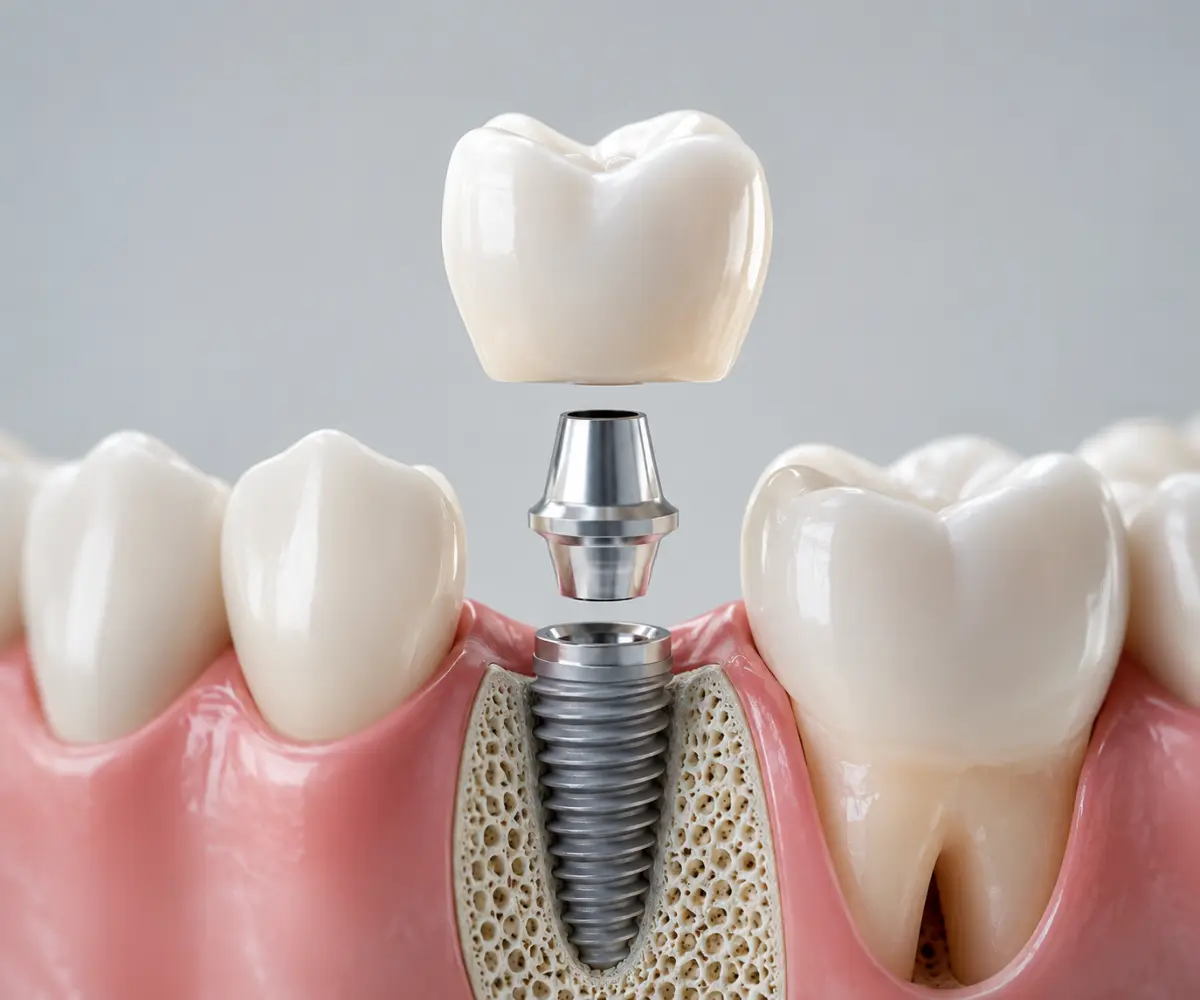
Honest Evaluation. All Options Explained.
We assess bone levels with 3D imaging and walk you through what is possible before any treatment commitment.
 3D imaging evaluationAll options reviewed upfrontInsurance verification before treatment
Why Jawbone Loss Occurs
Bone loss in the jaw is common and has several causes. Understanding the source helps explain why evaluation is needed before implant planning.
Missing Teeth
When a tooth is lost, the jawbone at that site no longer receives stimulation from a root and gradually resorbs — often beginning within months of extraction.
Gum Disease
Advanced periodontal disease destroys bone and tissue supporting the teeth. Untreated gum disease is one of the most common reasons additional treatment is needed before implants can be placed.
Trauma and Injury
Jaw injuries from accidents or impact can damage bone directly, or result in tooth loss that leads to resorption at the affected site.
Aging and Other Factors
Bone density naturally decreases with age. Uncontrolled diabetes, certain medications, and long-term denture use can further accelerate bone loss.
How Much Bone Is Needed for an Implant?
Three measurable dimensions of bone are assessed at each potential implant site. Each one affects whether standard placement is possible or whether additional preparation is needed.
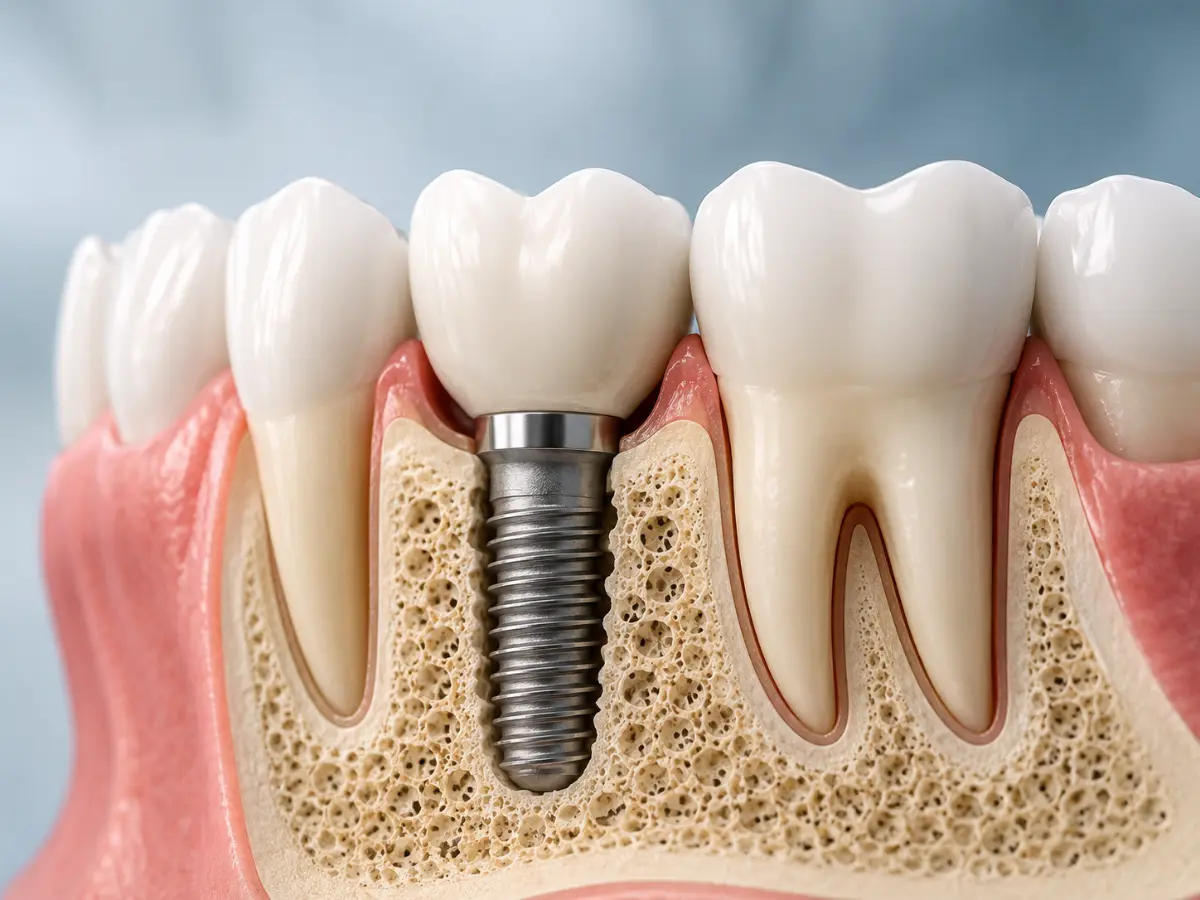
Bone Height
Vertical bone must accommodate the implant length while maintaining safe clearance from key structures such as the inferior alveolar nerve and the sinus floor.
Bone Width
Horizontal bone must support the implant diameter and leave adequate structure on each side. Resorbed or narrow ridges may require augmentation.
Bone Quality
Denser bone integrates more predictably. Softer bone, more common in the upper jaw, may require modified technique or a longer healing period.
There is no universal minimum — requirements vary by implant length and diameter, position in the jaw, and proximity to anatomical structures. Your provider measures each site individually.
Bone Grafting Explained
Bone grafting rebuilds or preserves jawbone to make implant placement possible. The procedure needed depends on how much bone is missing and where.
Socket Preservation
Grafting material is placed in the extraction socket at the time of tooth removal to preserve bone that would otherwise resorb. This is typically the simplest grafting procedure.
Ridge Augmentation or Sinus Lift
Used when more bone volume is needed before implant placement. Ridge augmentation adds width or height to a resorbed ridge; a sinus lift raises the sinus floor for upper jaw implants.
Healing Before Implant Placement
Graft healing time varies by procedure size and type. Minor grafts may integrate within a few months; more extensive grafts may take longer. Follow-up imaging confirms when the site is ready.
- 1
Socket Preservation
Grafting material is placed in the extraction socket at the time of tooth removal to preserve bone that would otherwise resorb. This is typically the simplest grafting procedure.
- 2
Ridge Augmentation or Sinus Lift
Used when more bone volume is needed before implant placement. Ridge augmentation adds width or height to a resorbed ridge; a sinus lift raises the sinus floor for upper jaw implants.
- 3
Healing Before Implant Placement
Graft healing time varies by procedure size and type. Minor grafts may integrate within a few months; more extensive grafts may take longer. Follow-up imaging confirms when the site is ready.
Treatment Approaches When Bone Loss Is Present
The right approach depends on how much bone remains, where the loss occurred, and what restoration is planned.
Bone Grafting Before Implant Placement
When bone volume is insufficient, grafting restores the necessary foundation first. Implants are placed after the graft has healed — typically several months later.
Socket Preservation at Extraction
Grafting material placed at the time of tooth removal preserves bone that would otherwise resorb, reducing the amount of preparation needed before eventual implant placement.
Angled Placement for Full-Arch Cases
For full-arch replacement, implant posts can sometimes be angled to reach areas with greater bone volume, potentially reducing the need for extensive grafting.
Specialist Referral or Alternative Options
In cases of extensive bone loss, your provider will review all realistic options — including specialist evaluation or a different restoration approach where appropriate.
Can Implants Help Prevent Further Bone Loss?
One of the functional differences between dental implants and other tooth replacements is their relationship with the jawbone.
When a natural tooth root is present, chewing forces transmit through the root into the jawbone — a signal the body uses to maintain bone density at that site. When a tooth is lost, this signal stops and the bone gradually resorbs. The titanium post of a dental implant conducts similar forces into the bone during chewing, which can help slow or reduce this process. Conventional dentures rest on the gums and do not replace the root, so the mechanical stimulus that helps preserve bone is absent.
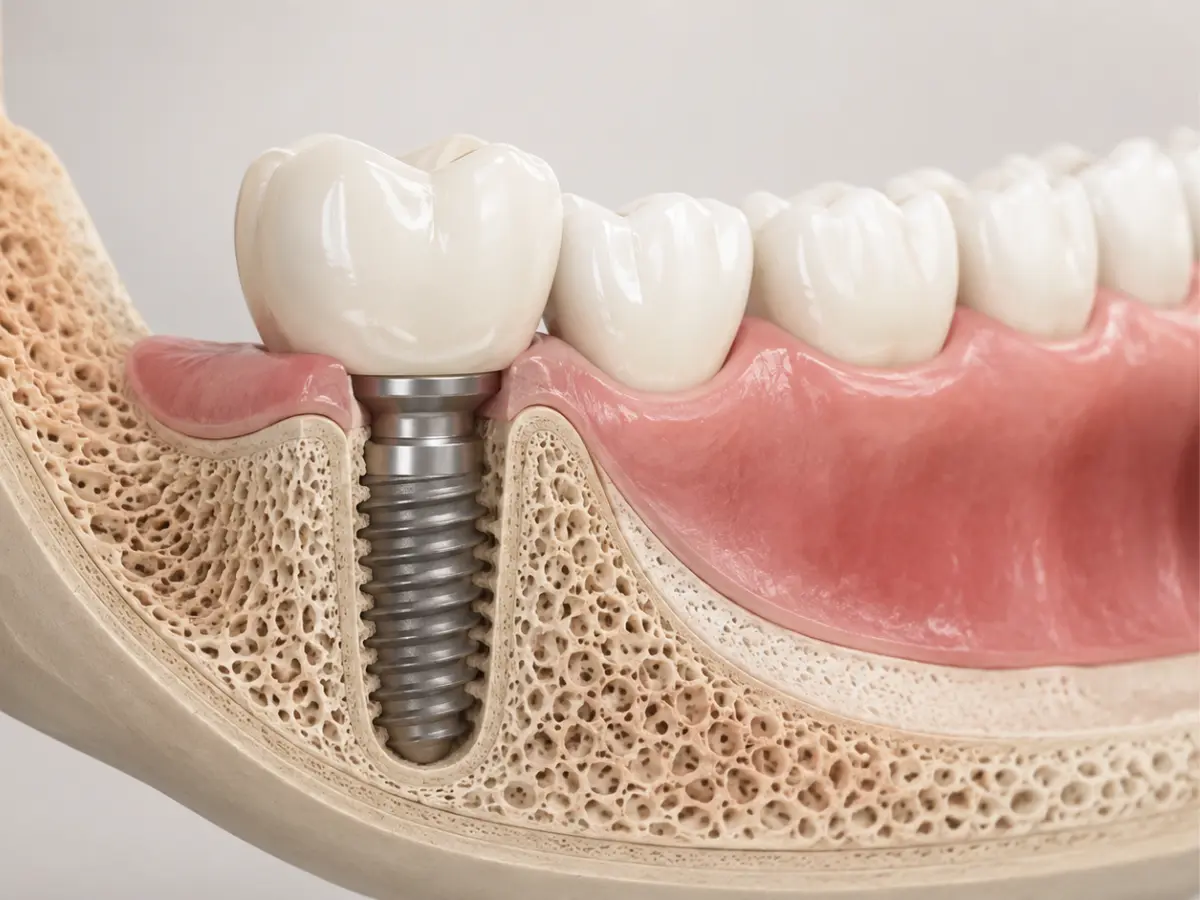
Root replacement matters
A dental implant replaces the tooth root as well as the visible crown. This root replacement is what makes bone stimulation possible — something a denture or bridge above the gumline cannot provide.
Compared to conventional dentures
Bone under a conventional denture typically continues to resorb over time. Bone around a well-integrated implant tends to remain more stable, though outcomes vary by patient and case.
Earlier evaluation preserves options
Bone loss continues after tooth extraction. When bone levels are still adequate, less preparatory treatment is typically needed before implants can be placed.
Dental Implant Candidacy With Bone Loss
Candidacy is determined through a structured evaluation. The process below explains what is assessed — and what the findings may mean for your options.
Clinical Examination
Gum health, remaining teeth, and any active infections are examined. Issues that need resolving before implant planning can proceed are identified.
3D Imaging and Bone Assessment
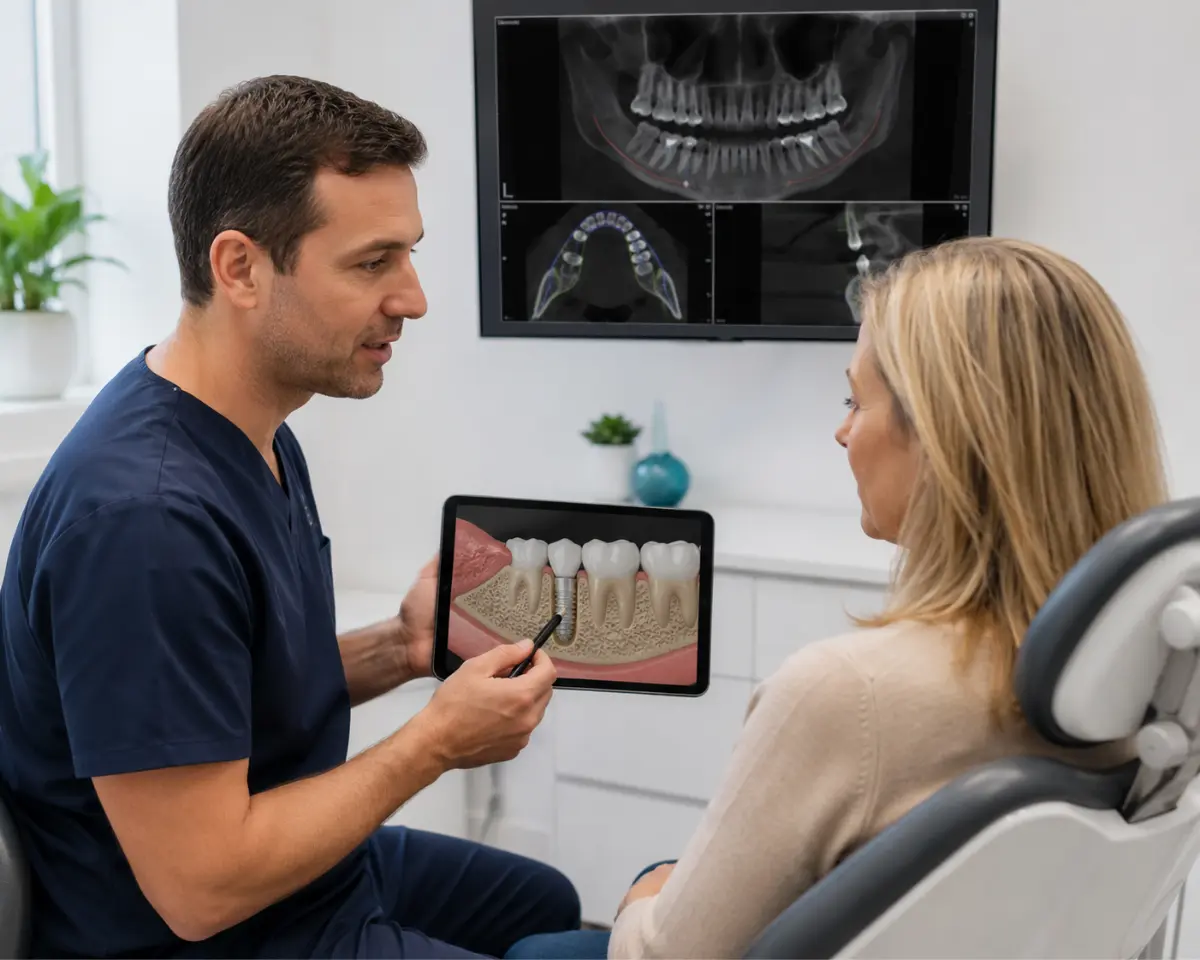
A cone beam CT scan measures bone height, width, and density at each potential implant site — imaging standard X-rays cannot replace.
Treatment Recommendation
Your provider explains which options are realistic, whether grafting is needed, and what the treatment timeline would involve.
- 1
Clinical Examination
Gum health, remaining teeth, and any active infections are examined. Issues that need resolving before implant planning can proceed are identified.
- 2
3D Imaging and Bone Assessment
A cone beam CT scan measures bone height, width, and density at each potential implant site — imaging standard X-rays cannot replace.
- 3
Treatment Recommendation
Your provider explains which options are realistic, whether grafting is needed, and what the treatment timeline would involve.
You May Qualify With Current Bone
- 3D imaging shows adequate bone at the planned implant sites
- Bone density supports stable osseointegration
- Any gum disease is resolved or under control
- Overall health supports oral surgery and healing
- Bone loss is minor and addressable with grafting
Additional Treatment May Be Needed
- Bone volume is below the minimum for standard implant placement
- Active infection or untreated gum disease is present
- Significant resorption requires grafting with a separate healing period
- The sinus floor has dropped, requiring a lift before upper jaw placement
- Systemic health factors affect healing or bone metabolism
Candidacy depends on bone volume, bone quality, gum health, overall health, and the type of implant treatment planned. These factors are assessed through examination and 3D imaging.
Why Choose Silver State Smiles?
We use 3D imaging to give patients with bone loss an accurate picture of what is possible — and what the path forward involves.
3D Imaging for Precise Evaluation
Cone beam CT scans show bone height, width, density, and the position of anatomical structures, giving your provider the full picture needed for safe planning.
Honest Assessment of All Options
We review what bone exists, what grafting may be needed, and what the full treatment timeline would involve before any commitment is made.
Multiple Las Vegas Locations
Several offices across the valley mean you can complete evaluation and follow-up appointments close to home.
Benefits Verification Before You Commit
We request insurance benefits verification before treatment begins so you have a clear estimate of your out-of-pocket cost.
Flexible Financing Available
In-house and third-party financing options let you spread the cost over monthly installments.
Opiniones de Pacientes
Confiado por Pacientes en Cada Rincón de Nevada
Escuche lo que nuestros pacientes dicen sobre su experiencia en Silver State Smiles. Estamos orgullosos de proporcionar atención excepcional que transforma sonrisas y vidas.

Excelencia Galardonada
Reconocido como el Mejor de Las Vegas 2025
Nos sentimos honrados de ser reconocidos como Ganadores de Oro por el Las Vegas Review-Journal. Este prestigioso premio refleja nuestro compromiso de proporcionar atención dental excepcional y experiencias destacadas para los pacientes.
Confiado por miles de pacientes
Dental Implant Guides
Dental Implant Cost in Las Vegas
Transparent pricing, cost factors, and financing options.
Read guideAre You a Candidate for Dental Implants?
Health criteria, age factors, and disqualifying conditions.
Read guideSame-Day Dental Implants Explained
How immediate-load implants work and who qualifies.
Read guideDental Implant Recovery: What to Expect
Week-by-week recovery stages and what to watch for.
Read guideDental Implants vs Dentures
Compare traditional dentures, implant-supported options, and fixed arches.
Read guideImplant vs. Bridge: Which Is Right for You?
Side-by-side comparison for single-tooth replacement.
Read guideHow Long Do Dental Implants Last?
Success rates, failure causes, and maintenance tips.
Read guideAre Dental Implants Worth It?
Long-term value, longevity data, and patient outcomes.
Read guideWatch & Learn
Short videos from our team on dental implants, smile makeovers, and what to expect.
How to Stop Hiding Your Smile: Mirror Anxiety to Morning Confidence with Implants
How Traveling to Las Vegas for a Dental Implant Smile Makeover Is Possible
How to Upgrade Your Smile: Replacing Failing Veneers With Lifetime Zirconia Crowns
Request an Implant Appointment
Our team will review your bone levels with 3D imaging and walk you through all available options before any treatment begins.
Ya sea su primera visita o la quincuagésima, haremos que se sienta fácil.
Preguntas Frecuentes
¿No encuentra la respuesta que busca? Contacte a nuestro equipo amable al (702) 780-0232ocontáctenos.