
Lost Crown: What to Do and When to Call a Dentist
A crown that has come off leaves the underlying tooth structure exposed and unprotected. Even if you are not in significant pain, prompt dental assessment is advisable — the exposed surface can be sensitive, vulnerable to decay, and may deteriorate quickly without the crown in place.
Bring the crown with you if you have it. Do not attempt to reattach it yourself using household adhesives.
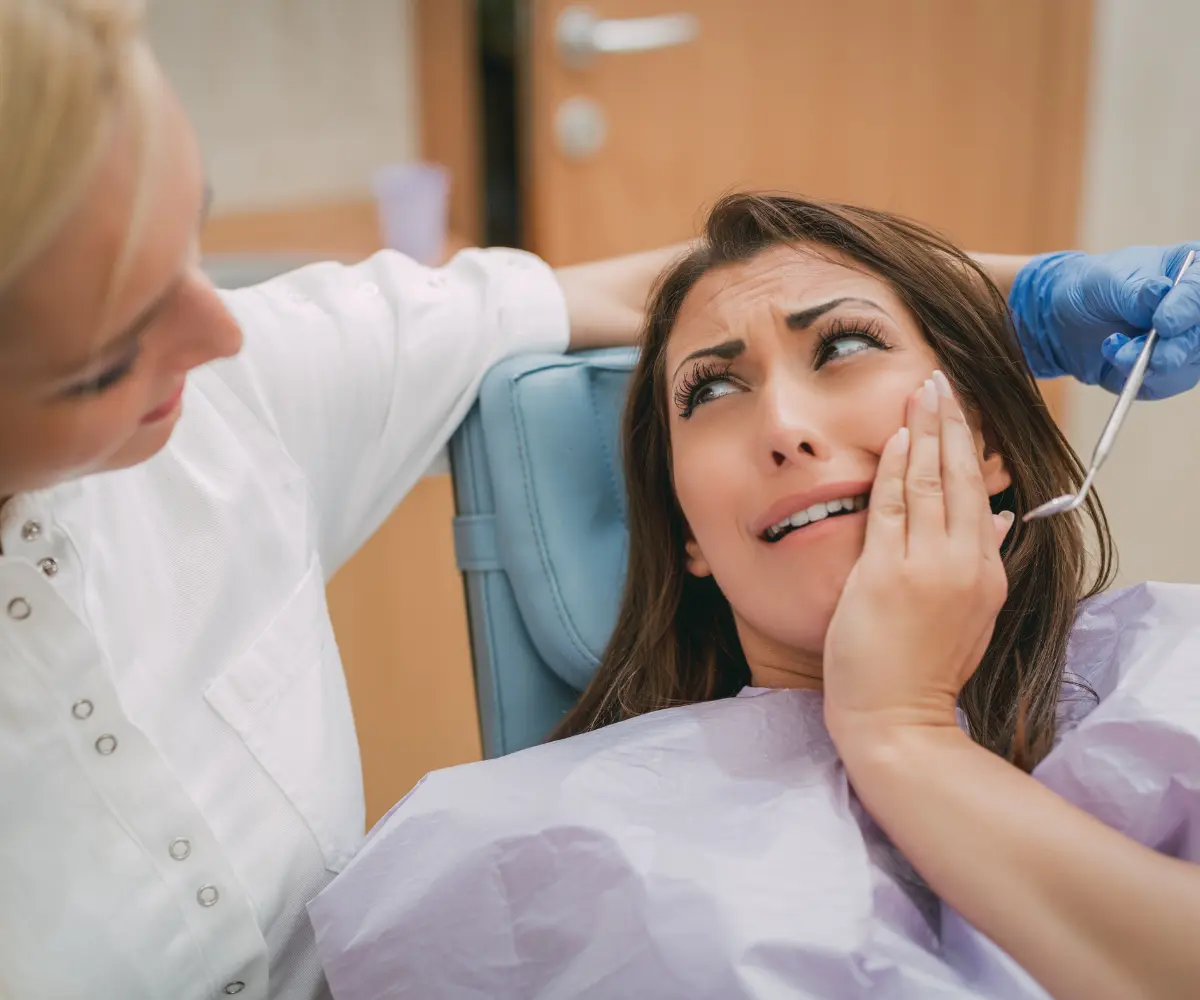
We Prioritise Dental Emergencies.
Call us to describe your situation and we will work to see you as soon as possible.
 Emergency appointments availableClinical assessment of the exposed toothTreatment options explained before anything begins
Common Reasons a Crown Comes Off
Crowns are built to last, but several factors can cause them to loosen or detach over time.
Dental Cement Failure
The cement bond can weaken through age, normal wear, or repeated stress. Once the seal breaks down, the crown may loosen and eventually come off.
Decay or Damage Beneath the Crown
Decay at the crown margin or a fracture in the underlying tooth can change the shape of the prepared surface so the crown no longer fits securely.
Teeth Grinding or Heavy Bite Forces
Grinding or clenching places persistent lateral and vertical forces on a crown, which can gradually break down the cement or loosen the fit.
Sticky or Hard Foods
Very sticky foods can pull a crown off directly. Hard foods can apply sudden impact forces that dislodge it.
What to Do When a Crown Falls Off
Taking the right steps immediately helps protect the exposed tooth and makes the dental appointment more straightforward.
Remove the Loose Crown from Your Mouth
If the crown is loose or has detached, take it out carefully to avoid swallowing or inhaling it.
Keep the Crown Clean and Bring It With You
Rinse it gently with water and store it in a clean container. The dentist will assess whether it can be reused after examining the tooth.
Rinse Gently
Rinse your mouth with warm water to clean the exposed area. Avoid vigorous rinsing, which can aggravate the site.
Avoid Chewing on the Affected Side
The exposed tooth may be sensitive to pressure and temperature. Keep food and liquids away from that side until you are seen.
Call the Dental Office
Contact a dentist as soon as possible. Describe your symptoms when you call so the team can advise on urgency.
- 1
Remove the Loose Crown from Your Mouth
If the crown is loose or has detached, take it out carefully to avoid swallowing or inhaling it.
- 2
Keep the Crown Clean and Bring It With You
Rinse it gently with water and store it in a clean container. The dentist will assess whether it can be reused after examining the tooth.
- 3
Rinse Gently
Rinse your mouth with warm water to clean the exposed area. Avoid vigorous rinsing, which can aggravate the site.
- 4
Avoid Chewing on the Affected Side
The exposed tooth may be sensitive to pressure and temperature. Keep food and liquids away from that side until you are seen.
- 5
Call the Dental Office
Contact a dentist as soon as possible. Describe your symptoms when you call so the team can advise on urgency.
Do Not Use Household Glue or Force the Crown Back Into Place
Household adhesives are not safe for use in the mouth. They can bond the crown in the wrong position, damage soft tissue, and make examination and treatment more difficult. Ask a pharmacist about temporary dental cement if you need short-term coverage before your appointment.
Frequently asked questions about lost crownsWhen to Call a Dentist and When to Go to the ER
A lost crown is a dental issue, not a medical emergency — but a few situations require the ER rather than a dental office.
Call the Dentist Today
- Pain or sensitivity at the exposed tooth
- Swelling around the tooth, gum, or jaw
- Visible damage to the exposed tooth
- Bleeding that does not settle quickly
- Signs of infection — persistent pain, swelling, or fever
Go to the Emergency Room Now
- Major facial trauma
- Uncontrolled bleeding
- Difficulty breathing or swallowing
Do not wait for a dental appointment. Call 911 or go directly to a hospital emergency room.
What Happens During the Emergency Examination
The appointment gives the dentist a clear picture of the tooth and the crown before any treatment is recommended.
Examine the Crown and Exposed Tooth
The dentist checks the exposed tooth for sensitivity and structural integrity, and assesses the crown for condition and fit.
Check for Decay, Damage, and Nerve Involvement
X-rays and a clinical examination identify any decay beneath the crown, damage to the tooth structure, or signs that the nerve may be affected.
Recommend Recementing, Repair, or Replacement
Based on the findings, the dentist outlines the appropriate next step — whether that is recementing the existing crown, making a new one, or addressing an underlying problem first.
- 1
Examine the Crown and Exposed Tooth
The dentist checks the exposed tooth for sensitivity and structural integrity, and assesses the crown for condition and fit.
- 2
Check for Decay, Damage, and Nerve Involvement
X-rays and a clinical examination identify any decay beneath the crown, damage to the tooth structure, or signs that the nerve may be affected.
- 3
Recommend Recementing, Repair, or Replacement
Based on the findings, the dentist outlines the appropriate next step — whether that is recementing the existing crown, making a new one, or addressing an underlying problem first.
Possible Treatment Outcomes
The final recommendation depends on the condition of the crown and the tooth underneath. The dentist can only advise after examining both.
Existing Crown Can Be Recemented
If the crown and the underlying tooth are both in good condition and no decay or damage is found, the existing crown may be cleaned and cemented back in place.
New Crown Is Needed
If the crown is broken, no longer fits the tooth correctly, or has deteriorated beyond use, a new crown will be required. A temporary crown is typically placed while the permanent one is made.
Decay or Tooth Damage Must Be Treated First
If the examination reveals decay or structural damage beneath the crown, this must be addressed before any crown is placed. Putting a crown over an untreated problem would not protect the tooth.
Root Canal Treatment May Be Needed if the Nerve Is Affected
If the pulp has been exposed or inflamed — through decay, damage, or prolonged exposure — root canal treatment may be necessary before a crown can be placed.
Why Choose Silver State Smiles for a Lost Crown?
We assess the tooth and crown fully before recommending any treatment, so you understand the findings and the options before anything begins.
Emergency Evaluation
We examine both the exposed tooth and the crown to identify what caused the failure and what the tooth needs before any crown can be placed.
Digital Imaging
X-rays let us assess the root, surrounding bone, and any decay or nerve involvement that may not be visible during the clinical examination.
Clear Restorative Options
Whether the finding points to recementation, a new crown, or treatment of an underlying problem first, we explain what each path involves and what is realistic for your tooth.
Insurance Verification
We can check your benefits before treatment begins so you have a clearer picture of expected costs.

Patients Reviews
Trusted by Patients Across Every Corner of Nevada
Hear what our patients have to say about their experience at Silver State Smiles. We are proud to provide exceptional care that transforms smiles and lives.

Award-Winning Excellence
Recognized as the Best of Las Vegas 2025
We're honored to be recognized as a Gold Winner by the Las Vegas Review-Journal. This prestigious award reflects our commitment to providing exceptional dental care and outstanding patient experiences.
Trusted by thousands of patients
Emergency Dental Guides
Toothache Emergency Dentist
When tooth pain needs urgent care and what to do next.
Read guideBroken Tooth Treatment
What to do when a tooth breaks and whether it can be repaired.
Read guideCracked Tooth Symptoms
Signs that a tooth may be cracked and why prompt care matters.
Read guideKnocked Out Tooth
Time-sensitive steps to take if a tooth is completely knocked out.
Read guideSwollen Gums Around One Tooth
What swelling around a single tooth can mean and when to call a dentist.
Read guideChipped Tooth Emergency
How a chipped tooth is treated and when it needs same-day care.
Read guideDental Abscess Emergency
Recognising a dental abscess and why it requires prompt treatment.
Read guideEmergency Dentist in Las Vegas
How to reach emergency dental care in Las Vegas quickly.
Read guideWatch & Learn
Short videos from our team on dental implants, smile makeovers, and what to expect.
How to Stop Hiding Your Smile: Mirror Anxiety to Morning Confidence with Implants
How Traveling to Las Vegas for a Dental Implant Smile Makeover Is Possible
How to Upgrade Your Smile: Replacing Failing Veneers With Lifetime Zirconia Crowns
Call Now for Emergency Dental Care
Describe your symptoms when you call. Our team will help assess urgency and schedule you as soon as possible. Appointment times are requests that must be confirmed by the office.
Whether it's your first visit or your fiftieth, we'll make it feel easy.
Frequently Asked Questions
Cannot find the answer you are looking for? Contact our friendly team at (702) 780-0232orcontact us.