
Are You a Candidate for Dental Implants?
Dental implant candidacy is determined through a clinical examination and 3D imaging that assess gum health, bone volume and density, medical history, current medications, and your body's capacity to heal from oral surgery. These factors vary significantly between patients, and the findings at your evaluation are the only reliable basis for a recommendation.
The evaluation may show that you are ready to proceed with implant treatment, that some preparatory steps are needed first, or that a modified approach or a different restoration option suits your situation better. Your provider will explain what the findings mean and what is realistic for your specific case.
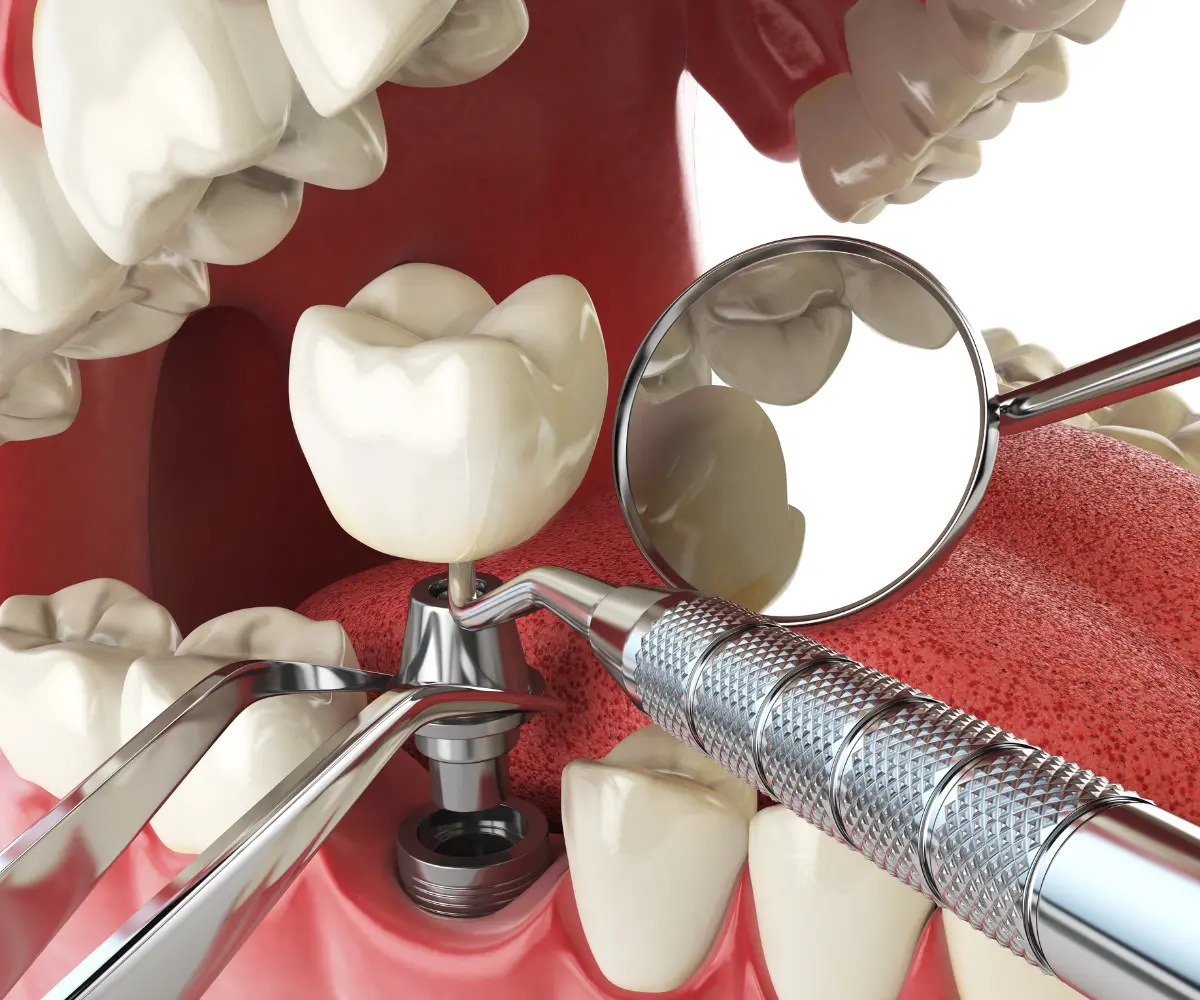
Honest Evaluation. All Options on the Table.
We assess candidacy with 3D imaging and explain all realistic options before any treatment is planned.
 3D imaging evaluationAll options explained upfrontNo commitment required
Candidacy Basics: What Providers Look For
These are the general areas assessed when determining whether implants are appropriate. Each is evaluated individually — no single factor automatically confirms or rules out candidacy.
Sufficient Bone
Adequate bone volume and density at the planned implant site are needed to support the post. Grafting may be possible if bone is insufficient.
Gum Health
The gum tissue and supporting structures should be free of active infection or untreated disease before implant placement.
General Health
Overall health that supports healing from a minor surgical procedure. Certain conditions require review and management before implants are appropriate.
Completed Jaw Growth
Implants are typically placed after jaw growth is complete, which generally occurs in the late teens for most patients.
Realistic Treatment Timeline
Osseointegration takes several months. Patients need to be comfortable with a staged treatment process rather than a single-appointment outcome.
Commitment to Ongoing Care
Good oral hygiene and regular professional checkups are important for the long-term health of the implant and surrounding tissue.
Health and Lifestyle Factors That Affect Implant Candidacy
These factors influence treatment planning and may affect timing, preparation, or approach. Most are not automatic disqualifiers, but all require open disclosure at your evaluation.
Age
Dental implants are generally placed after jaw growth is complete, which typically occurs in the late teens. For older patients, there is no established upper age limit based on age alone; suitability depends on bone quality, gum health, and whether oral surgery is medically appropriate. Some patients may require additional health review as part of the planning process.
Diabetes
Diabetes affects healing, immune response, and bone metabolism. Well-controlled diabetes does not typically prevent implant placement, though it may affect integration timelines and healing. Poorly controlled blood sugar increases the risk of complications. Your provider will review your current diabetic control and may request recent test results or coordination with your physician before treatment proceeds.
Smoking
Smoking impairs blood flow and immune function, which reduces the body's ability to heal after surgery and integrate the implant. Patients who smoke face a higher risk of complications. Most providers advise reducing or stopping smoking before implant surgery and throughout the healing period. This is a significant planning factor and should be discussed openly at your evaluation.
Osteoporosis and Bone Medications
Osteoporosis reduces bone density, which can affect how well an implant integrates. Certain medications prescribed for osteoporosis affect bone turnover in ways that can complicate healing after oral surgery. Patients taking these medications need to discuss this with both their prescribing physician and their dental provider before any implant procedure is planned. Specialist input or a period of modified medication use may be advised depending on the situation.
Gum Disease or Other Oral Health Issues
Active gum disease must be resolved before implant placement can proceed. Untreated periodontal infection affects the bone and tissue that would support the implant and significantly increases the risk of complications. Patients with a history of treated gum disease can often proceed with implants but require closer monitoring. Decay, abscesses, or infections near the planned implant site also need to be addressed before placement.
Your Dental Implant Evaluation
A candidacy evaluation follows a structured sequence. Based on the findings, your provider gives you one of four specific recommendations.
Clinical Examination
Your provider examines gum tissue, remaining teeth, bite, and oral health. Active issues such as infection or untreated decay are noted and must be addressed.
3D Imaging and Health Review
A cone beam CT scan provides a precise view of bone volume and density, nerve positions, and sinus anatomy. Your medical history and current medications are reviewed at the same time.
Personalised Treatment Recommendation
Based on the examination and imaging, your provider outlines one of the four possible paths below.
- 1
Clinical Examination
Your provider examines gum tissue, remaining teeth, bite, and oral health. Active issues such as infection or untreated decay are noted and must be addressed.
- 2
3D Imaging and Health Review
A cone beam CT scan provides a precise view of bone volume and density, nerve positions, and sinus anatomy. Your medical history and current medications are reviewed at the same time.
- 3
Personalised Treatment Recommendation
Based on the examination and imaging, your provider outlines one of the four possible paths below.
Ready for Implant Treatment
Bone, gum health, and overall health support proceeding as planned. Your provider prepares an itemised treatment plan with procedure, timeline, and costs.
Preparatory Treatment Needed First
An issue such as gum disease, bone loss, or infection needs to be resolved before placement can proceed. Once addressed, implant planning continues.
Modified Implant Approach Recommended
Your bone distribution may be better served by an alternative strategy, such as angled implants for full-arch cases, which may reduce the need for extensive grafting.
Another Option May Be More Appropriate
If bone loss is very extensive or health factors limit surgical options, your provider will explain alternatives such as a bridge or implant-supported overdenture.
Before Your Evaluation: A Short Checklist
These are useful things to review or prepare before attending an implant evaluation appointment.
Recent dental exam on record?
A current clinical picture helps identify any issues that may need addressing before implant planning can begin.
Gum health stable?
Active periodontal disease needs to be treated and controlled before implant planning is appropriate.
Aware of your bone history?
A history of long-term tooth loss, denture use, or prior bone loss may mean reduced volume at the planned site. The 3D scan at your evaluation will confirm this.
Systemic conditions stable?
Conditions such as diabetes should be well managed before elective oral surgery is discussed. Bring any recent test results relevant to your health status.
Complete medication list ready?
Bring or be ready to share all current medications and supplements, including any prescribed for osteoporosis or immune-related conditions.
Comfortable with the expected timeline?
Implant treatment typically spans several months from placement to final restoration. Understanding this before your appointment helps with realistic planning.
Why Choose Silver State Smiles?
We provide a complete candidacy evaluation — including 3D imaging — and walk you through all options before any treatment is planned.
3D Imaging for Precise Bone Assessment
Cone beam CT scans confirm bone volume, density, and anatomy at each planned implant site, giving your provider the full picture needed for an accurate recommendation.
Honest Candidacy Assessment
We explain what is realistic for your specific case — including whether preparatory treatment is needed and what alternatives exist if implants are not appropriate.
Coordination When Pre-Treatment Is Needed
If gum treatment, bone grafting, or coordination with your medical provider is required, we help plan that sequence before any commitment is made.
Multiple Las Vegas Locations
Several offices across the valley let you complete your evaluation and treatment close to home.
Insurance Verification Before You Commit
We request benefits verification before treatment begins so you have a clear estimate of your out-of-pocket cost.
Patients Reviews
Trusted by Patients Across Every Corner of Nevada
Hear what our patients have to say about their experience at Silver State Smiles. We are proud to provide exceptional care that transforms smiles and lives.

Award-Winning Excellence
Recognized as the Best of Las Vegas 2025
We're honored to be recognized as a Gold Winner by the Las Vegas Review-Journal. This prestigious award reflects our commitment to providing exceptional dental care and outstanding patient experiences.
Trusted by thousands of patients
Dental Implant Guides
Dental Implant Cost in Las Vegas
Transparent pricing, cost factors, and financing options.
Read guideDental Implants With Bone Loss
Options when there isn't enough bone for a standard implant.
Read guideAre Dental Implants Worth It?
Benefits, cost vs long-term value, and who benefits most.
Read guideDental Implant Recovery: What to Expect
Week-by-week recovery stages and what to watch for.
Read guideSame-Day Dental Implants Explained
How immediate-load implants work and who qualifies.
Read guideImplant vs. Bridge: Which Is Right for You?
Side-by-side comparison of cost, lifespan, and procedure.
Read guideDental Implants vs Dentures
Compare traditional dentures, implant-supported options, and fixed arches.
Read guideHow Long Do Dental Implants Last?
Success rates, failure causes, and maintenance tips.
Read guideWatch & Learn
Short videos from our team on dental implants, smile makeovers, and what to expect.
How to Stop Hiding Your Smile: Mirror Anxiety to Morning Confidence with Implants
How Traveling to Las Vegas for a Dental Implant Smile Makeover Is Possible
How to Upgrade Your Smile: Replacing Failing Veneers With Lifetime Zirconia Crowns
Request an Implant Appointment
Our team will assess your bone levels, gum health, and full medical history before making any treatment recommendation.
Whether it's your first visit or your fiftieth, we'll make it feel easy.
Frequently Asked Questions
Cannot find the answer you are looking for? Contact our friendly team at (702) 780-0232orcontact us.